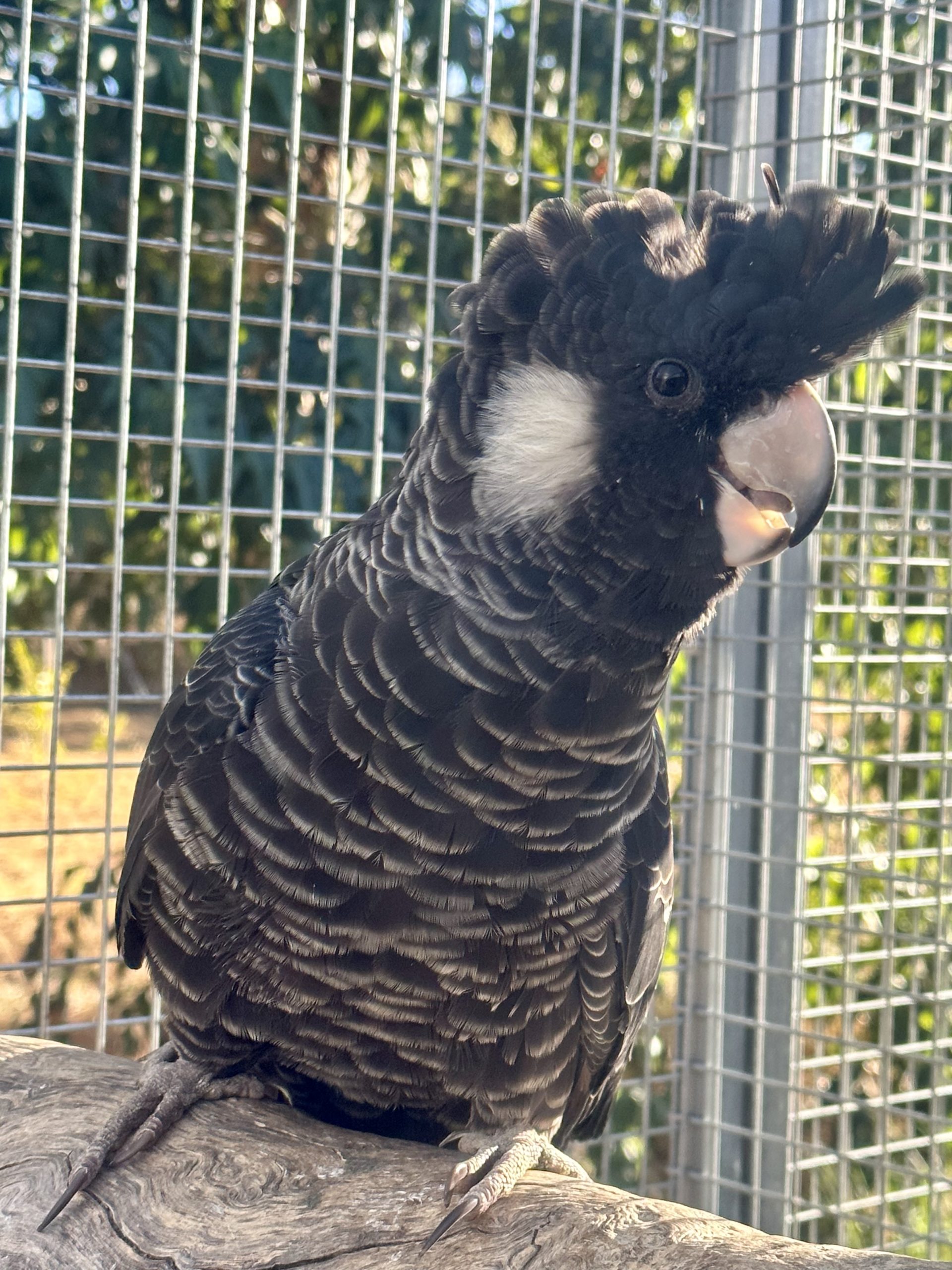
Launched on Wednesday June 10, the Corridors for Carnaby’s (C4C) project aims to create connected corridors of habitat and vegetation on both public and private land to provide food, water, and nesting hollows for the black cockatoos.
Amazon has invested $3.3 million from its Right Now Climate Fund to support the project. Michael Miller, a spokesperson for Amazon, stated that the partnership with C4C aligns with the company’s commitment to funding community projects aimed at mitigating the impacts of climate change and restoring landscapes.
Miller expressed his deep affection for Carnaby’s Black Cockatoos, stating, “I am excited to begin our three-year journey with The University of Western Australia, the Winjan mob, partner organisations, and local communities, schools, and families to prevent this species from facing extinction.”
Professor Kingsley Dixon AO, a world-leading conservationist, and Project Delivery Lead of C4C group stated the new Banksia tree corridor will stretch across 10 kilometres of land near Mandurah, with planting completed by 2029.
With the support of Amazon Australia, the C4C program enables the group to implement a comprehensive, sustainable, community-driven solution that addresses these immediate critical needs and will ensure the survival of this iconic and much-loved species.
The three-year Corridors for Carnaby’s project will plant 200,000 Banksia trees in southwest Western Australia, providing critical feeding habitat for the endangered birds. Without intervention, this species faces extinction. More than half of its population has been lost in 45 years, as habitat and primary woodland food sources were cleared for farming and urban development.
The ongoing destruction of our Northern Jarrah forests by Alcoa has put even more pressure on this species of cockatoo and the public have become incensed with the lack of government support for environmental protection.
Many people may be wondering about the role of the Cook Government of Western Australia and the Department of Biodiversity, Conservation and Attractions (DBCA) in this positive news story. Unfortunately, their involvement is non-existent.
Regrettably, there has been little interest from our Environmental Minister or the Department of Biodiversity, Conservation and Attractions (DBCA) in implementing strategies to save these iconic birds from extinction. Consequently, the only solutions for their survival have had to be sought from outside Australia.
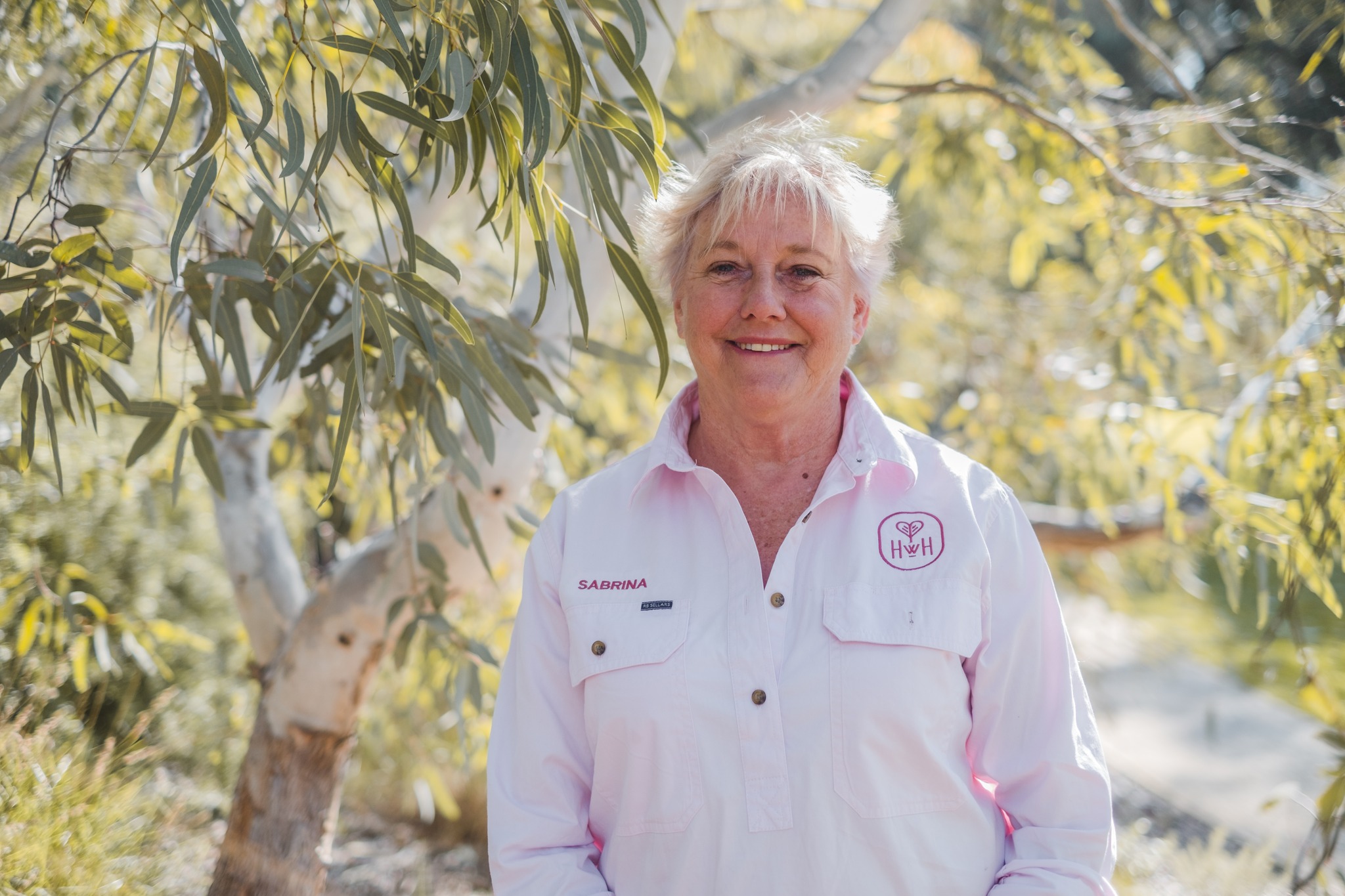
As part of the C4C project I will also oversee the “Nuts for Carnaby’s” program. This initiative encourages communities to transform their gardens, schools, and parks into food oases for Carnaby’s cockatoos. It involves the planting of over 2,000 fast-growing nut trees, along with slower-maturing native food sources. The goal is to address the immediate nutritional needs of the birds while the native species mature in restoration corridors.
In support to food plants the corridor will include 50 artificial nests and 20 self-cleaning, solar-powered water stations. Partner organisation Five Rivers Catchment Council has also arranged for nearby farms to provide dedicated water stations for the cockatoos.
Amazon Web Services is supporting the project by working with UWA to develop AI-enabled flock identification technology for Carnaby’s Cockatoos, with an app also being developed to enable Western Australians to participate in flock identification and population censuses from their own backyards.
For more information on the C4C project, or to become involved go to: www.corridorsforcarnabys.com.
1. Sign up to help support the C4C project, get your school or local government involved in tree planting.
2. Make your individual voices heard to your local member of Parliament if you have concerns about environmental protection and saving our Jarrah forests.
3. Enjoy the rain and get planting, remember a garden shared is a refuge for many species and you are increasing biodiversity opportunities.
4. Grow local species such as banksia, hakea, marri, jarrah, and nut species macadamia, pecan, hard shelled almonds and lobby local councils to plant cockatoo corridors in parks
5. Gardeners have the opportunity to help our wildlife survive a drying climate by implementing a few basic principles that give nature a lifeline.
6. Always have water stations around the garden in different spots, make sure you refresh the water every couple of days.
7.Place small bowls of water in neighbouring bushland and top them up for birds, lizards, frogs, and marsupials.
8. Plant more WA native plants in your own garden, if you are renting just grow them in pots you can take with you. Most species grow well in pots but must be watered regularly. Visit your local nursery and mass plant so you increase the diversity of flowering plants.
9. Birds need trees, plant more trees to create shade and provide nesting opportunities.